

 +91-8800110989

ABSTRACT
This research paper deals with the Mediation and Conciliation panel in matters of company law. Corporate disputed form a part of civil matters which was earlier dealt by the civil courts itself causing a large burden of cases on the courts. This was also because the ambit of civil jurisdiction is much wider than criminal jurisdiction. For reducing this burden various tribunals were created. Tribunals are quasi judicial bodies or administrative bodies established for the purpose of discharging quasi judicial duties. They exercise powers equivalent to that of a civil court by do not supersede the powers of a civil court. Companies Act, 2013 has come after the companies act, 1956. National Company Law Tribunal is a specialized quasi - judicial body entrusted with adjudicating a broad spectrum of matters related to Indian companies and company registration.
Even though tribunals were created to ease the functions of courts yet the process in which the
INTRODUCTION
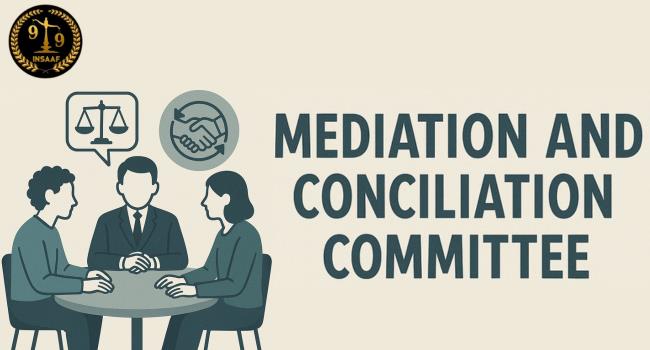
The introduction of the new Companies Act, 2013 has resulted in a significant alteration to the corporate structure of India. The introduction of the One Person Company concept is one such creative move that will significantly boost the entrepreneurship of small business owners in India. It is thought to be a catalyst for advancing democracy in the business world. Many of the strict procedural requirements for the creation and operation of these organisations have already been loosened in order to best support this innovative idea. This new wave of organisations entering the business sector is heralded as the dawn of a new age. An age of the ordinary man's strengthening. The regulations must be revised since disagreements will inevitably arise in any kind of organisation, and the emergence of this new type of business will lead to an increase in these conflicts, which must be settled as soon as feasible. It is important to remember that the Companies, 2013 substantially changed the previous adjudication system. The National Company Law Tribunal (NCLT) [2], which the national government established to hear company law matters directly, eliminates the need for several forums and should facilitate the prompt resolution of cases. A successful justice delivery system must be receptive to different approaches to conflict resolution. It is necessary to include provisions allowing the Mediation and Conciliation Committee to have direct jurisdiction over a single person company in the absence of a formal adjudication case that has already been filed in court.
WHY ARE ADR METHODS BETTER THAN APPROACHING COURTS
For a number of reasons, using Alternative Dispute Resolution (ADR) techniques is frequently preferred over going to court:
1. Cost Effectiveness :- Compared to a court trial, alternative dispute resolution (ADR) procedures like mediation or arbitration are typically less expensive. ADR usually requires less formalities and less paperwork than court proceedings, which might include additional expenditures for expert witnesses as well as lawyer fees and court charges. Legal fees account for a significant portion of the cost disparity. Parties usually need legal assistance throughout court procedures, which entails high legal costs. Attorneys bill by the amount of time they spend on things like researching cases, creating legal paperwork, getting ready for hearings, and defending clients in court. These costs can add up quickly, particularly in intricate or drawn-out cases including several hearings, motions, and appeals.ADR techniques, on the other hand, frequently call for less lawyer engagement. In mediation, for example, parties may attend sessions with their lawyers, but the main focus of the process is direct negotiation led by an impartial mediator. Similar to this, arbitration is usually a more simplified process with less formalities and less substantial legal documentation required, even though parties may still have legal representation.
2. Time Efficiency :- ADR procedures typically take less time than legal proceedings. Court cases can be backlogged and delayed by procedural issues, making resolution time years. With the flexibility to arrange meetings at their convenience, alternative dispute resolution (ADR) can settle issues in a matter of weeks or months. Compared to court proceedings, alternative dispute resolution (ADR) mechanisms like mediation or arbitration offer more schedule freedom. Meetings and hearings can take place at mutually agreeable times and dates, enabling the parties to go at a speed that best fits their needs. This adaptability reduces the amount of time that courts must spend scheduling cases, which frequently happen because of full dockets and a shortage of judges. In order to promote effective settlement, alternative dispute resolution (ADR) techniques usually entail shortened procedures. ADR procedures place an emphasis on flexibility and simplicity as opposed to court proceedings, which are subject to intricate procedural rules and formalities. For instance, arbitration hearings could have a less formal structure than courtroom proceedings, while mediation sessions might entail casual conversations led by an impartial mediator.
3. Influence and Flexibility :- Unlike litigation, where a judge or jury renders the final decision, alternative dispute resolution (ADR) gives parties greater influence over the process and result. ADR techniques give parties the opportunity to develop original solutions that address their unique needs and goals, something that may not be achievable in court. Empowerment of Parties: Encouraging parties to take an active role in settling their differences is a fundamental aspect of alternative dispute resolution (ADR) techniques including mediation and bargaining. Parties have the option to interact directly and take charge of the settlement process rather than depending entirely on judges or legal experts to make judgements on their behalf. By giving people a sense of agency and control, this empowerment enables people to stand up for what's right for them and help create solutions that work for everyone. The kinds of solutions that can be reached are flexible with ADR procedures. ADR procedures give parties the opportunity to consider a broad range of innovative and customised solutions to their problems, in contrast to court rulings, which are often restricted to monetary damages or particular legal remedies. For instance, in mediation, the parties can agree on non-monetary remedies including regrets, behavioural adjustments, or future agreements in addition to monetary settlements. Parties can address underlying interests and concerns that might not be fully addressed by conventional legal remedies because to this flexibility.
4. Confidentiality :- While court hearings are often open to the public, alternative dispute resolution (ADR) sessions are frequently private. Confidentiality can motivate people to be more forthright and truthful in conversations, which can result in more successful dispute settlement. ADR procedures provide confidentiality for private or confidential information that parties might be reluctant to reveal in public. For instance, parties may be more likely to provide sensitive information during private mediation or arbitration sessions when dealing with business issues involving trade secrets or proprietary company plans since they are aware that the material won't be revealed to rivals or the general public. Similar to this, confidentiality enables parties to discuss difficult topics in family disputes involving private or sensitive situations without worrying about shame or public observation.
5. Preservation of Relationship :- By offering a less combative setting for resolving conflicts, alternative dispute resolution (ADR) techniques can assist in maintaining relationships between parties. On the other hand, especially in situations involving continuing commercial or personal relationships, litigation frequently causes disputes to worsen and damage relationships between parties. Confidentiality protections provided by numerous ADR procedures are absent from judicial hearings. Maintaining confidentiality guarantees that private and unobserved sensitive information revealed during the resolution procedure. When parties have a stake in preserving their reputation or private information, such as in conflicts concerning personal or business affairs, confidentiality can be especially crucial. ADR techniques provide a secure environment where parties can discuss their issues honestly and openly without worrying about criticism or retaliation since they maintain confidentiality.
6. Expertise and Specialisation :- Parties can choose arbitrators, mediators, or other impartial third parties who are knowledgeable about the dispute's subject matter through alternative dispute resolution (ADR) procedures. In difficult or technical conflicts in particular, this can result in more informed choices and remedies.ADR procedures, such arbitration and mediation, give parties the opportunity to select decision-makers who are knowledgeable about the issues at hand. For instance, parties may choose an arbiter with appropriate professional credentials or experience in the relevant sector in a complicated business dispute including technical or industry-specific concerns. This guarantees that the person in charge of the resolution process is aware of the subtleties of the conflict and is capable of making defensible choices based on their experience. The decision-maker's proficiency with ADR procedures improves the precision and calibre of the decision-making process. Expertized arbitrators and mediators are more equipped to understand the specifics of the case, analyse the evidence, and judge the strength of the parties' arguments. This expertise lowers the possibility of mistakes or misunderstandings that may occur when decision-makers lack pertinent information or experience, leading to more reasoned and informed outcomes.
7. Less Formality :- Alternative dispute resolution (ADR) procedures are typically less formal than judicial hearings, which can make them less daunting and more approachable for parties with no prior legal experience. For those who are unfamiliar with legal proceedings, courtrooms can be frightening places. For parties engaged in conflicts, the formal setting, rigid procedures, and authoritative presence of judges and solicitors might induce uneasiness or fear. Conversely, alternative dispute resolution (ADR) techniques like mediation and bargaining frequently occur in more laid-back and impartial environments, including conference rooms or private offices. More positive and fruitful conversations result from the relaxed atmosphere and open communication amongst the participants. ADR procedures are made to be easily understood by those without professional legal education or experience. ADR techniques place a higher priority on openness and simplicity than court processes, which are subject to intricate procedural restrictions and legal nuances. This increases the accessibility of ADR for a larger group of participants, encompassing people from all backgrounds and occupations. ADR procedures enable parties to actively engage in the settlement process without feeling burdened or disadvantaged by legal formalities by doing away with the requirement for specific legal knowledge.
ABOUT THE PROCESS OF MEDIATION AND CONCILIATION
Mediation
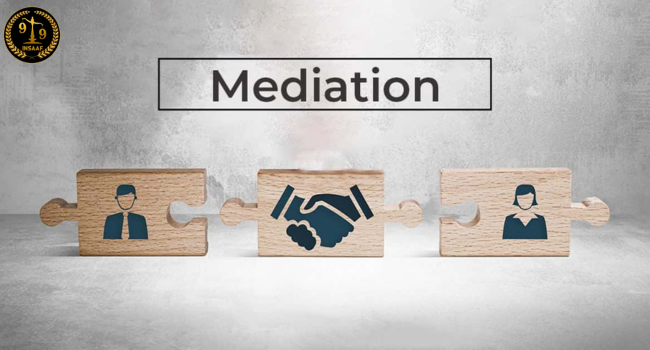
Within the field of corporate law, mediation is an effective alternative dispute resolution (ADR) method for settling disputes that could emerge between different stakeholders in an organisation. These conflicts may arise, among other things, from disagreements between directors, employees, suppliers, or customers. This is a description of the corporate law mediation procedure:
When disputing parties willingly decide to engage in mediation, the mediation procedure normally gets started. This agreement may be established before to or following the initiation of legal proceedings, and it frequently results from an understanding of the advantages of settling conflicts through negotiation as opposed to litigation.
The parties choose a mediator—a third party who is impartial—to lead the mediation process after they decide to mediate. The mediator needs to be unbiased, neutral, and knowledgeable about mediation procedures. Parties may choose a mediator on their own in some situations, or they may use a third party mediator or a mediator appointed by the court.
The mediator usually has preparatory discussions with each party individually before to the start of the mediation sessions in order to set ground rules for the mediation, answer any questions or address any concerns. This could entail describing confidentiality clauses, going over the mediator's responsibilities, and establishing guidelines for the mediation sessions.
All parties and the mediator meet together to address the issues at hand at the start of the mediation process. Parties get the chance to voice their opinions, discuss their concerns and interests, and pinpoint points of agreement and disagreement during this session. The mediator helps create an environment of respect and cooperation by facilitating productive dialogue.
The mediator may hold separate private meetings with each party during the mediation process. Parties can secretly discuss their goals and interests in these private sessions without the other party's attendance. These meetings can be used by the mediator to help with negotiation, clear up any misunderstandings, and look into possible settlement solutions.
Parties participate in facilitated discussion to investigate potential solutions and come to a mutually agreeable settlement agreement with the mediator's help. To help parties establish common ground and break through impasses, the mediator may use a variety of negotiation strategies, including reality testing, brainstorming, and reframing issues. Parties are encouraged to actively participate in formulating the conditions of the settlement, and they maintain control over the process's result.
If a settlement is reached, all parties sign a written document outlining the parameters of the agreement. The resolution's parameters, including any necessary actions, deadlines, and
implementation requirements, are outlined in the agreement. The settlement agreement provides a definitive end to the issue and is legally binding and enforceable once it is finalised.
The mediation process ends with a review of the terms and a discussion of any next steps or ongoing commitments once the settlement agreement is finalised. In addition to addressing any unanswered questions or concerns from the parties, the mediator may offer advice on carrying out the agreement. The parties can proceed confidently after the mediation process is over, knowing that the disagreement has been settled quickly and amicably.
In general, company law mediation provides parties with an adaptable, cooperative, and economical alternative to formal litigation for settling conflicts. Mediation helps parties achieve mutually agreeable outcomes while maintaining relationships and reducing the time and money involved with court processes by offering a platform for open communication, negotiation, and problem-solving.
Conciliation
Conciliation may be initiated by the parties involved in a dispute voluntarily or as required by contractual agreements, statutes, or court orders. This initiation may occur when negotiations between parties fail to yield a resolution, or when parties seek to avoid the costs, delays, and adversarial nature of court litigation.
The choice of a conciliator is usually agreed upon by the parties and is based on the person's experience, objectivity, and capacity to promote productive communication. The conciliator may be an individual selected by the parties or may be appointed by an institution or organisation recognised for resolving disputes. In order to help parties reach a mutually agreeable resolution, the conciliator is essential, and they maintain their objectivity and neutrality throughout the process.
To define the points of contention and create a structure for the conciliation procedure, the conciliator holds preliminary talks with the parties. This include defining the procedures that will be followed, guaranteeing confidentiality, and establishing ground rules for communication. Along with outlining their duties, the conciliator also discusses the governing principles of the conciliation process, such as secrecy and impartiality. The conciliator impartially looks at the circumstances and facts behind the disagreement. This could entail interviewing the parties or pertinent witnesses, examining contracts or agreements, and compiling pertinent documentation. The conciliator obtains a thorough grasp of the conflict and pinpoints possible points of compromise by obtaining information and weighing the merits of each party's stance.
The conciliator helps the parties negotiate by having a deep grasp of the pertinent problems. This entails holding collaborative sessions where participants can voice their opinions, passions, and ideal results. In order to establish a settlement, the conciliator assists the parties in considering other choices, coming up with inventive ideas, and overcoming roadblocks. Conciliator: The conciliator does not represent any party's interests during the negotiation process; instead, they help the parties reach a resolution while remaining neutral and unbiased.
The conciliator helps in the preparation of a settlement plan that outlines the terms and conditions of the agreement if the parties are able to come to a mutually agreeable conclusion. The parties are given the suggestion to consider and work out. A formal settlement agreement is developed and signed by all parties concerned once the provisions have been agreed upon by the parties. Once signed, the settlement agreement becomes enforceable and legally binding.
The parties' execution of the settlement agreement marks the end of the conciliation process. The conciliator may declare the procedure terminated if, in spite of good faith attempts, the parties are unable to come to an agreement. In these situations, the parties could look into alternative conflict resolution procedures like arbitration or litigation.
All things considered, the company law conciliation process offers parties a methodical and assisted way to settle disagreements outside of official court procedures. Conciliation helps parties reach mutually agreeable solutions while maintaining relationships and reducing the time and cost of litigation by encouraging open conversation, discussion, and cooperation.
ABOUT THE COMPOSITION OF THIS COMMITTEE UNDER COMPANIES ACT, 2013

As per business law, the makeup of a mediation and conciliation committee may differ based on the particular provisions mentioned in the articles of organisation, bylaws, or any applicable regulations of the firm. But in terms of corporate law, the following is a rough outline of what a committee for mediation and conciliation would normally look like
CHAIRPERSON
Usually, a person with expertise in conflict resolution—preferably through mediation or conciliation—chairs the committee.
The chairman may be chosen by internal procedures specified in the organization's governing papers, or the chairperson may be chosen by the board of directors of the corporation.
Members
The composition of the committee might vary, usually consisting of three to five persons, contingent upon the magnitude and intricacy of the business's activities.
Senior executives, directors, and other persons with pertinent experience in business, law, or conflict resolution may be members of the committee.
Members of committees frequently possess certifications or training in conciliation, mediation, or other alternative dispute resolution (ADR) techniques.
Legal Advisor
A legal advisor or counsel who offers advice on legal matters pertaining to mediation and conciliation may assist the committee.
To ensure that the mediation and conciliation process complies with legal requirements, the legal advisor helps the committee comprehend pertinent laws, rules, and contractual conditions.
Neutral Facilitators
In certain instances, the committee could enlist the help of outside, impartial mediators or facilitators to support the mediation or conciliation procedure.
These impartial mediators, who are usually independent experts in conflict resolution, assist the parties in reaching a mutually agreeable conclusion by enabling talks between them.
Observers
Observers, such as representatives from relevant departments or stakeholders, may attend committee meetings based on internal policies and procedures of the company.
Observers are not allowed to vote or make decisions, but they are allowed to offer suggestions or critiques regarding the mediation and conciliation procedure.
Secretariat
A secretariat or administrative staff may provide support to the committee by handling meeting logistics, keeping records, and helping with communication between the parties and committee
members.
Quorum and Decision-Making
The quorum requirement for holding meetings and making decisions is usually outlined in the committee's governing documents.
A simple majority vote of the members present at the meeting may be used to decide committee matters, unless the company's bylaws or articles of association specify otherwise.
It's crucial to remember that each firm will have a different committee for mediation and conciliation, with different duties and obligations depending on things like size, structure, industry, and unique dispute resolution requirements. To guarantee efficient and equitable conflict resolution procedures, businesses are urged to set clear policies and guidelines for the membership and functioning of these committees.
IMPORTANCE OF THE COMMITTEE
A company's Mediation and Conciliation Committee is quite important, especially when it comes to quickly and effectively settling conflicts. Here's why having a committee of this kind is important:
Encourages Internal Dispute Resolution: The committee acts as an internal dispute resolution system for the business. The committee offers a formal, structured method for resolving problems, which helps keep disagreements from turning into expensive, time-consuming legal battles. Proactively resolving conflicts reduces operational disruptions and promotes a positive work atmosphere within the organisation.
Preserves Company Resources: By avoiding the costs involved with traditional litigation, using the mediation and conciliation committee allows the company to save money. Through internal mediation or conciliation, issues can be resolved without going to court, saving the business money on legal bills and other associated costs. Businesses looking to carefully allocate resources and manage their budgets will find this cost-effectiveness very advantageous.
Preserves secrecy: Throughout the dispute resolution procedure, the mediation and conciliation committee preserves secrecy. Maintaining confidentiality is essential for safeguarding private client information, trade secrets, and proprietary business plans. The committee creates an atmosphere where people can freely discuss issues and work towards solutions that satisfy both sides without worrying that information would be revealed to outside parties by upholding secrecy.
Encourages Consensus-Building: The committee helps the parties to a disagreement reach an agreement. The committee promotes candid conversation, fruitful debate, and cooperative problem-solving through mediation or conciliation. The committee assists in finding common ground and achieving agreements that are acceptable to both sides by promoting a spirit of understanding and cooperation. This focus on reaching consensus fosters amicable connections inside the organisation and raises morale and productivity levels overall.
Maintains Neutrality and Impartiality: The mediation and conciliation committee acts neutrally and impartially, making sure that each party to the disagreement is treated fairly. The selection of the committee's members, which includes the chairperson and additional selected members, is predicated on their qualifications, moral character, and dedication to objectivity. The committee upholds the values of justice and equity and fosters confidence in the dispute resolution process by remaining unbiased.
Complies with Legal and Regulatory Requirements: As part of their legal and regulatory compliance duties, several jurisdictions mandate or encourage businesses to set up internal conflict resolution procedures. Companies show their commitment to abiding by the rules and regulations governing dispute resolution by setting up a mediation and conciliation body. By taking a proactive stance towards compliance, the business reduces its exposure to legal risk and guarantees that it is doing business legally.
Improves Corporate Governance: By encouraging openness, responsibility, and moral behaviour, the mediation and conciliation committee helps to ensure that corporate governance is functioning well. Through the provision of a fair and equitable conflict resolution venue, the committee upholds the company's dedication to sound governance procedures. This dedication helps the business succeed in the long run by boosting stakeholder trust and improving its reputation.
CONCLUSION
In conclusion, the mediation and conciliation committee is essential to a business since it helps resolve conflicts in a timely, economical, and private way. The committee contributes to a positive work environment and fosters productive relationships among employees, management, and stakeholders by ensuring impartiality, promoting consensus-building, protecting company resources, upholding confidentiality, enhancing corporate governance, and adhering to legal requirements.






 Whatsapp
 CALL NOW :-
8800110989
CALL NOW :-
8800110989
 Toll Free :-
1800-212-9001
Toll Free :-
1800-212-9001